



Chips di cavoletti di Bruxelles
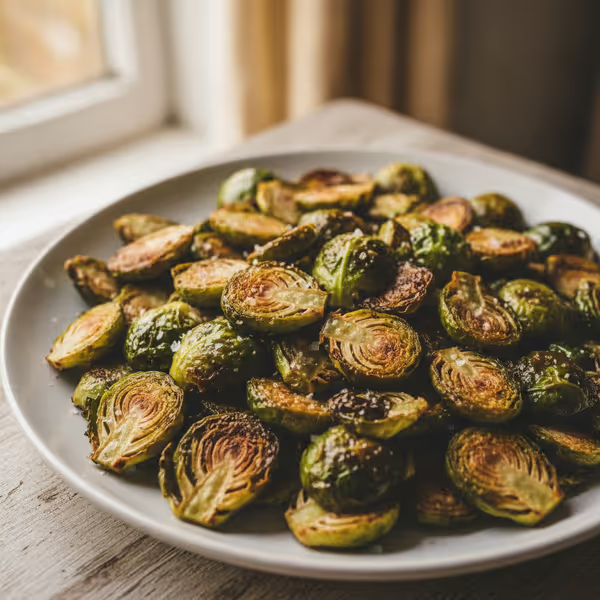
Chi non vuole rinunciare al gusto quando ha voglia di sgranocchiare qualcosa, con queste chips di cavoletti di Bruxelles va sul sicuro. Le singole foglioline vengono condite con un filo d'olio d'oliva e cotte in forno fino a diventare deliziosamente croccanti. Il risultato è uno snack leggero e povero di carboidrati, senza sacchetto e senza additivi. Perfetto per la voglia di stuzzicare qualcosa tra un pasto e l'altro.
Ingredienti
- 10 cavoletti di Bruxelles
- sale marino, q.b.
- olio d'oliva, q.b.
The ingredient amounts above scale with your choice. The value per serving stays the same, while the total in the pot grows with the number of servings.
All nutrition values side by side
| Nutrient | per porzione (stima) | Total for 2 Porzioni |
|---|---|---|
| Calorie | 55 kcal | 110 kcal |
| Carboidrati | 4 g | 8 g |
| Proteine | 2 g | 4 g |
| Grassi | 4 g | 8 g |
| Fibre | 2 g | 4 g |
| di cui zuccheri | 1 g | 2 g |
How this is calculated
Target amount = ingredient amount × target servings ÷ base servings. The result is then rounded for kitchen use: from 100 g or ml to the nearest 5, between 1 and 99 to the nearest 1, pieces and spoons to half units, amounts below one unit to quarters, thirds or halves. Teaspoons and tablespoons also go down to an eighth, kilograms and litres stay finer.
Total = value per serving × target servings. The value per serving is unchanged, because ingredient amount and serving count change by the same factor.
Sources
- Regulation (EU) No 1169/2011 (FIC), Art. 32 and 33: nutrition values per 100 g or 100 ml, additionally allowed per portion.
- European Commission, Guidance document for competent authorities for the control of compliance with EU food law, setting of tolerances for nutrient values declared on a label, December 2012.
Nutrition values are estimates from the recipe record, not laboratory results. Even for checked labels the EU sets tolerances: for fat, protein and carbohydrates 20 percent in the range of 10 to 40 g per 100 g, and 2 g per 100 g below that. Home cooking varies more, because variety, size and cooking loss of the ingredients differ. Kitchen rounding also shifts the total slightly against the plain rule of three. Anyone who has to keep amounts exact for medical reasons, for example during a nutrition therapy prescribed by a doctor, should discuss them with a doctor or a registered dietitian. Your serving count is calculated in your browser only, it is neither stored nor transmitted.
Procedimento
- Stacca i cavoletti di Bruxelles foglia per foglia. Se necessario, scarta le due foglie più esterne.
- Metti le foglioline in una ciotolina, condiscile con un filo d'olio d'oliva e mescola bene per distribuirlo in modo uniforme.
- Fodera una teglia con carta da forno e disponici sopra le foglie in modo uniforme.
- Cuoci in forno già caldo a 180 °C ventilato per circa 7-10 minuti, finché non diventano croccanti, girando le foglie di tanto in tanto.
- Lascia intiepidire le chips pronte, versale in una ciotola e insaporiscile con il sale marino.
L'hai cucinato? Raccontaci com'è venuto.
Ti è piaciuta? Valuta la ricetta
Valori nutrizionali per porzione (stima)
| Calorie | 55 kcal |
|---|---|
| Carboidrati | 4 g |
| Proteine | 2 g |
| Grassi | 4 g |
| Fibre | 2 g |
| di cui zuccheri | 1 g |
Domande frequenti
A che temperatura cuocio le chips di cavoletti di Bruxelles?
Le chips di cavoletti di Bruxelles si cuociono a 180 °C in modalità ventilata per 7-10 minuti, finché non diventano croccanti.
Le chips di cavoletti di Bruxelles sono povere di carboidrati?
Sì, i cavoletti di Bruxelles contengono pochi carboidrati. Le chips sono quindi adatte a un'alimentazione a basso contenuto di carboidrati.
Posso usare anche altre verdure per le chips?
Sì, le chips di verdura si possono preparare anche con carote, barbabietola rossa o patate, per esempio.
Come conservo le chips di cavoletti di Bruxelles?
Sono più buone appena sfornate. In un contenitore ermetico restano croccanti per poco tempo.


